Advertisement · Independent Editorial Feature
In Nordic Villages, Winter Mornings Begin With a Spoonful of Honey and a Quiet Ritual for Aging Minds
Long before supplements lined pharmacy shelves, families across the Nordic countryside built their winter mornings around raw honey, dark bread, and unhurried conversation — a rhythm many older adults are rediscovering today.
Why Memory Shifts After 50
Picture a kitchen just before six in the morning, the window still dark, a kettle beginning to whistle. For most people past fifty, this is also the hour when a name slips just out of reach, or a sentence loses its thread halfway through. These shifts are rarely dramatic. They arrive quietly, the way winter light dims a little earlier each week, and they are shaped by several ordinary forces working together.
The Slowing of Recall
Retrieving a word or a name can take a beat longer than it used to, not because the memory is gone but because the retrieval pathway has simply grown less immediate. It is one of the most common and least alarming changes reported by adults over fifty, closer to a change in pace than a change in capacity.
Disrupted Sleep Architecture
Deep sleep stages, the ones most associated with consolidating the day's information, tend to shorten with age. A lighter, more fragmented night can leave the mind feeling foggier by mid-morning, even when total hours in bed look unchanged on paper.
Hormonal and Metabolic Drift
Energy metabolism inside the brain shifts gradually across the decades. For many, this shows up as a subtler kind of fatigue during mentally demanding tasks, the sense of needing more effort to sustain focus through a long conversation or a dense paragraph.
A Quieter Nervous System
Routines narrow with age, often for good reason, but novelty is part of what keeps cognitive pathways active. When days grow more repetitive, the brain simply has fewer occasions to stretch, and that stillness can be mistaken for decline.
Myths vs Facts
Conversations about memory after fifty are crowded with half-truths, some inherited from worried relatives, others manufactured by marketing. Separating the two matters more than most people realize.
Memory lapses always mean early dementia.
Occasional forgetfulness is common and shaped by many factors at once. Only a qualified healthcare professional can properly evaluate ongoing cognitive concerns.
Nothing about daily habits matters once memory starts to change.
Sleep quality, nutrition, and steady routine remain relevant to how the brain functions at every stage of life, not just in youth.
Honey is just sugar with no place in a mindful routine.
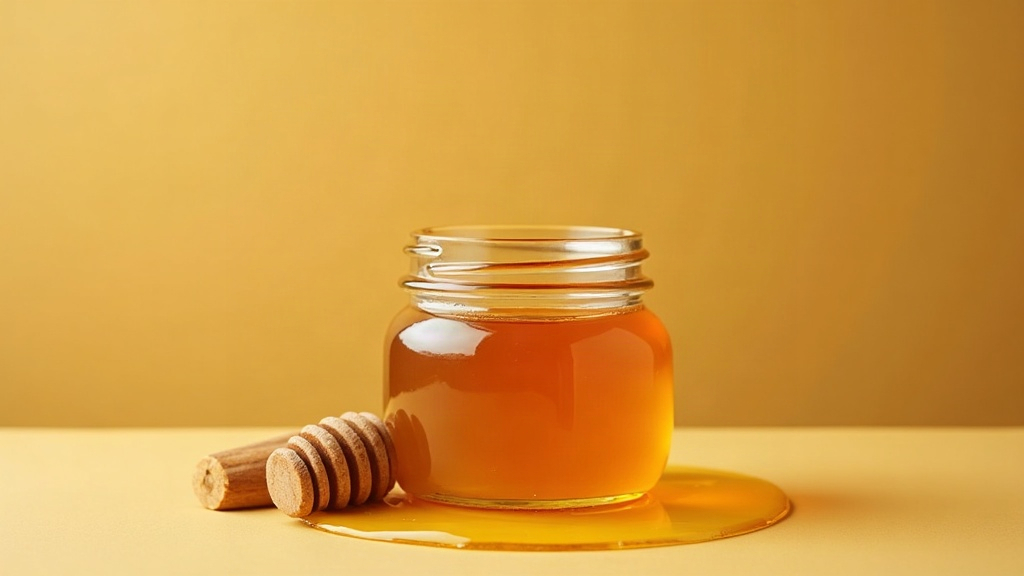
In Nordic households, raw honey was valued as part of a broader morning ritual involving warmth, pacing, and company, never as a stand-alone remedy for anything.
A Winter Morning Method, Passed Down Rather Than Prescribed
What emerges from these traditions is less a regimen than a sequence, three unhurried movements that many older adults in Nordic communities still follow before the rest of the household stirs.
Begin Before the Light Changes
Waking with the pale, blue-grey light of a winter dawn, rather than to an alarm, sets a slower tone for the hours that follow. There is no screen involved, only the sound of the house settling and a few minutes of simply being awake.
A Warm Ritual, Not a Rush
Warm water, sometimes tea, is prepared slowly, honey stirred in without measuring precisely, herbs added according to habit rather than instruction. The point is not the ingredients themselves but the unhurried minutes spent tending to something small.
Closing the Morning With Intention
Before the day’s obligations begin, a short pause follows, often spent looking out a window or jotting a line in a notebook. It is a deliberate seam between rest and activity, one many describe as the calmest part of their day.
Where This Morning Ritual Comes From
The practice traces back to rural Scandinavia, where winters stretch long and dark, and households historically relied on stores gathered during the brief northern summer. Honey, harvested in short, intense weeks of warm light, was set aside carefully for the colder months, treated less as a sweetener and more as a small, deliberate luxury reserved for the household’s oldest members. Oral accounts passed through generations describe elders being served their honey first, stirred into warm water while younger family members prepared the day’s work, a quiet gesture of respect built into the rhythm of the home.
Ethnographic notes from rural Nordic communities describe honey less as medicine and more as a marker of care, something stirred slowly into warm water while the household woke together before the demands of a long winter day began.
Signs Worth Paying Attention To
Losing Track of Familiar Routes
Momentary disorientation on a well-known walk or drive is worth noting, especially if it happens more than once in a short period.
Struggling to Follow Multi-Step Conversations
Difficulty tracking a conversation that shifts between several topics can be a sign worth mentioning to a healthcare provider if it becomes frequent.
Repeating Questions Within the Same Hour
Asking the same question again shortly after receiving an answer differs from simple forgetfulness and deserves attention if it recurs.
Difficulty Locating Common Words
Everyone loses a word occasionally, but a persistent struggle with everyday vocabulary is worth discussing with a professional.
Withdrawing From Social Gatherings
A noticeable pullback from conversations or events once enjoyed can sometimes relate to cognitive changes and is worth mentioning to a doctor.
Increased Confusion in Early Evening Hours
Some people notice a pattern of heightened confusion later in the day; if this becomes consistent, it warrants a professional evaluation.
What Others Have Shared About This Ritual

These accounts reflect personal experiences and opinions only. They are not a guarantee of any outcome, and individual results and impressions vary widely from person to person.
Frequently Asked Questions
Variations of this morning routine appear across several Nordic regions, with local differences in the herbs or bread used alongside the honey.
No. The tradition relies on ordinary kitchen items, warm water, honey, and a few quiet minutes, nothing specialized is required.
No. This content explores a cultural and historical routine. It does not diagnose, treat, cure, or prevent any condition, and it is not a substitute for medical advice.
Accounts vary, but many describe it as something that became more prominent in households once family members reached their fifties and beyond.
Yes, especially if you have existing health conditions or take medication. A healthcare professional can advise on what fits your individual situation.
Winter in Nordic regions historically slowed daily life considerably, creating the conditions in which such deliberate, unhurried rituals could take shape.
The video referenced on this page walks through the history and context in more detail than a written summary can capture.
See the Full Nordic Winter Routine
Discover how a centuries-old morning ritual, built around patience, warmth, and honey, has found its way into modern routines for adults navigating memory changes after fifty.
Advertising Disclosure: This page contains sponsored content and affiliate links. The operator of this website may receive compensation when visitors click on links or make purchases through them. This compensation may impact how and where products or offers appear on this page. All opinions expressed are our own and are not influenced by any advertiser or partner.
Content Disclaimer: The content on this page is provided for educational and informational purposes only and has not been evaluated by the Food and Drug Administration. It is not intended to diagnose, treat, cure, or prevent any disease or health condition. Always consult a qualified healthcare professional before making any changes to your diet, lifestyle, or health routine, particularly if you have an existing medical condition or take medication.
Results Disclaimer: Individual results and experiences discussed or implied on this page vary from person to person. Testimonials and personal accounts represent individual opinions and are not a guarantee, promise, or assurance of any particular outcome for any reader or viewer.
© 2026 · All Rights Reserved · /contact/